Endless runners are among the most instantly playable games around. Your character runs forward on their own, obstacles appear, and you jump, slide or dodge to stay alive for as long as possible. There is no finish line, only your best score. Because the controls are so simple, it might seem that luck decides how far you get. In reality, a handful of good habits can dramatically improve your runs. This guide explains them.
How endless runners work
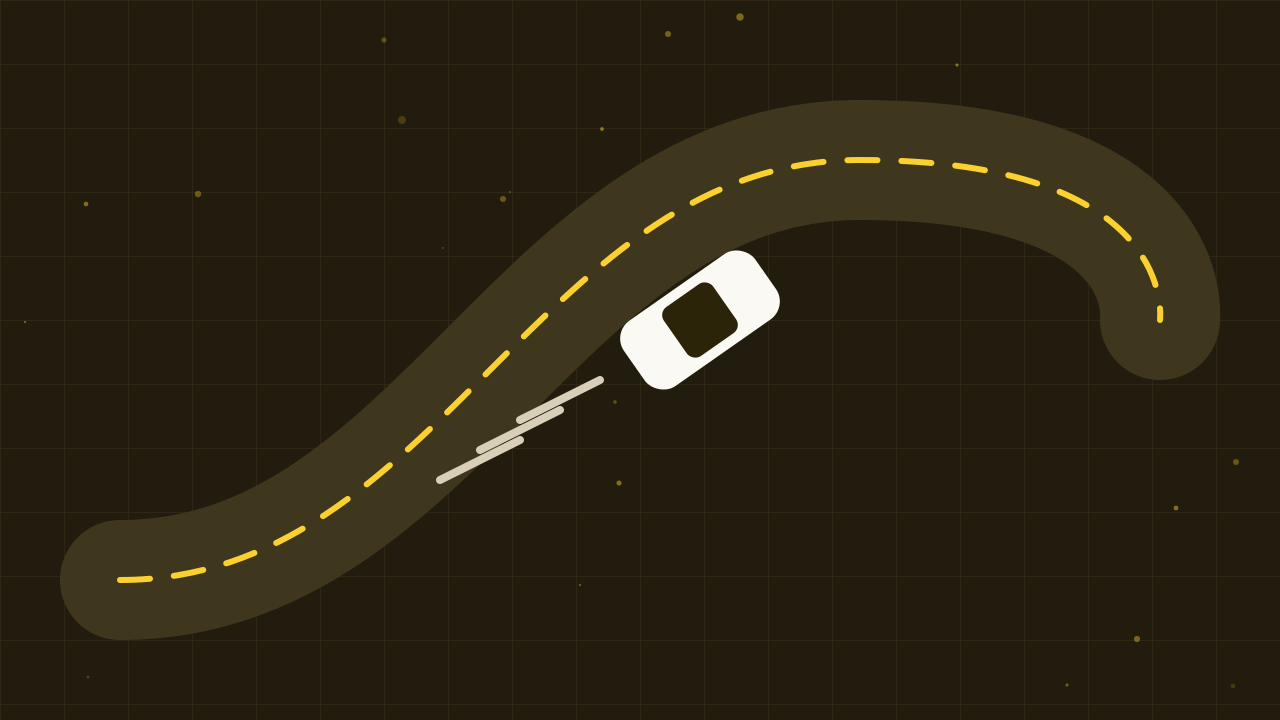
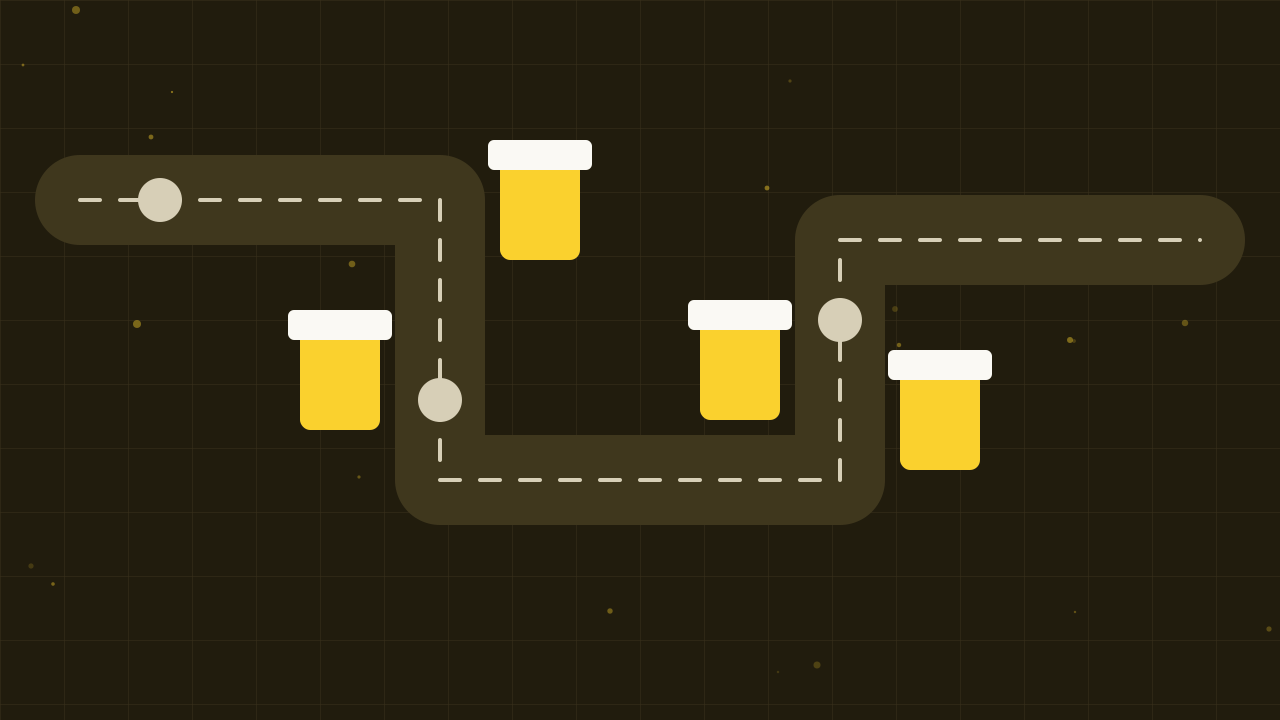
Most runners share a few basic features. Your character moves forward automatically, so you only control their reactions. Obstacles must be jumped over, slid under or avoided by changing lanes. Coins, gems or other collectibles are scattered along the way. And crucially, the game speeds up the longer you survive, which is what eventually ends most runs. Some runners take place on a flat track, others in a 3D world, a spinning tunnel or a zigzag path.
Look ahead, not at your character
The single most important habit in any runner is to watch the track ahead rather than your character. Your character is always in the same place on the screen, so you do not need to look at it. Focusing a little further down the track gives you more time to recognise each obstacle and decide what to do. As the speed increases, look further ahead still.
Learn what each obstacle needs
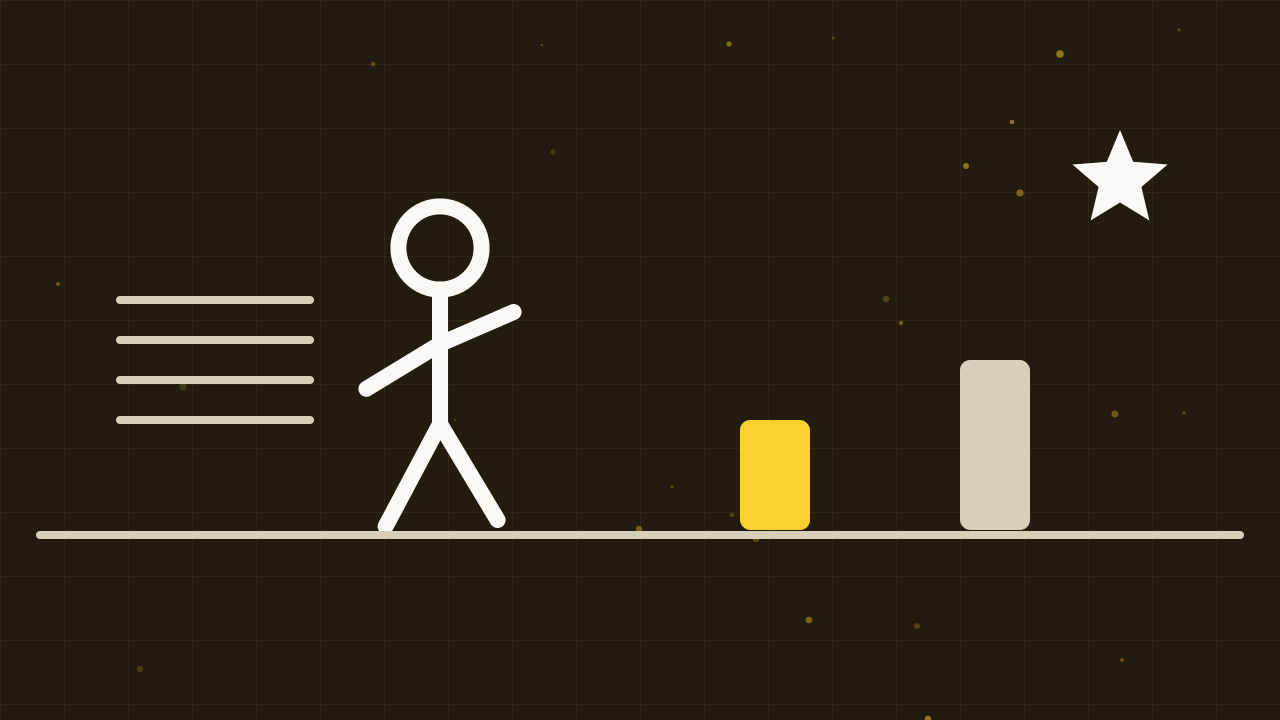
Runners usually have a small set of obstacle types, and each one calls for a specific response. Low barriers need a jump, high barriers need a slide, and blocked lanes need a lane change. Many games use colors or shapes to signal which response is needed. Once you recognise these patterns instantly, your reactions become automatic rather than conscious, and that is what lets you survive at high speeds.
Choose your lane wisely
In lane-based runners, the middle lane is often the safest default because it gives you an escape route in either direction. When you move to an outer lane to collect something, plan how you will get back. Getting trapped in an outer lane with obstacles approaching is a common way runs end.
Find a rhythm
Many runners have a natural rhythm, with obstacles arriving at fairly regular intervals. Settling into that rhythm makes your inputs smoother and more consistent. Avoid tapping frantically or reacting at the last possible moment. Calm, deliberate inputs are more accurate, especially as things speed up.
Do not chase every coin
Collectibles are tempting, but your score and your survival are usually more important than a few extra coins. Grab collectibles that are on your path or reachable safely, and skip the ones that require risky moves. Many great runs end because a player swerved toward a coin and into an obstacle.
Use power-ups at the right time
Power-ups such as shields, magnets, slow motion or score multipliers can extend a run significantly. Some activate as soon as you collect them, while others can be saved. If you can choose when to use them:
- Save shields for the faster, more dangerous later stages.
- Use magnets on stretches dense with coins.
- Trigger slow motion when obstacles start arriving too quickly to read.
Upgrade between runs
Many runners let you spend coins on permanent upgrades, such as longer power-up durations or extra lives. Prioritise upgrades that help you survive longer, since a longer run earns more coins and more score at the same time. Cosmetic items are fun, but survival upgrades pay for themselves.
Stay calm at high speed
The later stages of a run can feel overwhelming. When the pace becomes intense, simplify your approach. Focus purely on survival, stop worrying about collectibles and keep your eyes far down the track. A calm mind reacts faster than a panicked one.
Mind the sound and the screen
Small details can help more than you expect. Many runners use sound cues, such as a whoosh or a chime, just before something important appears, so playing with sound on gives you a little extra warning. A clean, bright screen without glare makes obstacles easier to spot, and the full screen button removes distractions around the game. If you play on a phone, holding it steady with both hands or resting it on a table keeps your taps and swipes accurate when every fraction of a second counts.
Runner variations
The runner formula appears in many forms. Some games have you rotate an entire tunnel instead of steering a character. Others ask you to tap at the right moment to change direction on a zigzag path, or to stack items to climb over walls. The same principles apply to all of them: look ahead, learn the patterns and stay steady. If you enjoy reaction-based games, our guide to improving reaction time has more techniques.
Practice the right way
- Play several short runs rather than one long frustrated session.
- After a run ends, think about what caught you out.
- Focus on one improvement at a time, such as looking further ahead.
- Take breaks, since tired eyes react more slowly.
Start running
Endless runners are perfect for quick sessions and for chasing that one more personal best. Find your next run in the Arcade and Adventure categories, put these habits into practice and watch your scores climb.