Some of the most memorable browser games are built around physics. A ball bounces off a wall at just the right angle. A tower of blocks wobbles and somehow stays upright. A stick figure swings from a hook, lets go and sails across a gap. These games feel natural because they follow rules we already understand from everyday life. This article explains what physics games are, why they are so enjoyable and how to get better at them.
What is a physics game?
A physics game uses a simulation of real-world forces to decide how objects move. Instead of every action being scripted, objects respond to gravity, momentum, friction and collisions. When you throw something, it follows a curved path. When something heavy hits something light, the light object moves more. The game sets up a situation, and the physics engine works out what happens.
This creates a unique kind of fun. Outcomes are predictable enough that you can plan, but complex enough that surprising things often happen.
The key forces at play
- Gravity pulls things downward. It shapes every jump, fall and throw.
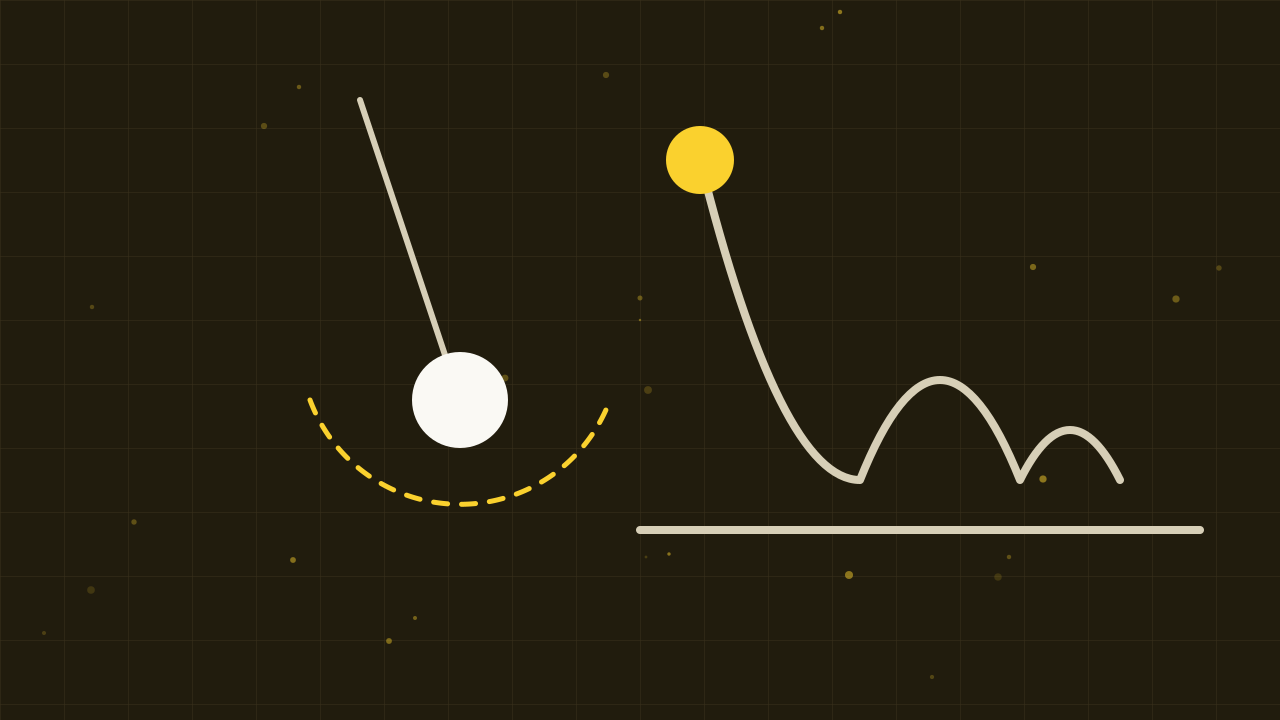
- Momentum keeps moving objects moving. A swinging character carries speed from one swing into the next.
- Friction slows things down. Ice surfaces have little friction, so objects slide further.
- Bounce decides how much energy an object keeps after a collision. Rubber balls bounce high, while heavy objects thud to a stop.
- Balance matters whenever things are stacked. A tower stays up as long as its weight stays centered.
You do not need to know any science to enjoy these games, because you already have an intuitive sense of how these forces behave.
Popular kinds of physics games
Physics shows up across many genres:
- Swinging games, where you grab hooks or ropes and release at the right moment.
- Launching games, where you fling an object toward a target using power and angle.
- Stacking games, where you drop pieces onto a tower and try to keep it balanced.
- Drawing games, where the lines you sketch become ramps, roads or bouncy bands.
- Ragdoll games, where characters flop around realistically, often to comic effect.
- Sandbox toys, where you play with materials such as sand, water and lava just to see what happens.
- Vehicle games, where suspension, weight and balance affect every bump and jump.
Why physics games are so satisfying
Physics games reward understanding rather than memorisation. Once you get a feel for how an object moves, you can apply that knowledge to new situations. That makes success feel earned. There is also a special pleasure in seeing a plan work exactly as you imagined, like a ball bouncing off three walls into a cup. And when things go wrong, they often go wrong in funny or spectacular ways, which softens the sting of failure.
Tips for swinging and launching
- Release at the right point of the arc. Letting go as you swing forward and upward usually gives the longest flight.
- Build momentum gradually. A few smooth swings often beat one rushed attempt.
- Adjust one thing at a time. If a launch falls short, change only the power or only the angle so you learn what each does.
- Use walls. Bouncing off surfaces can reach places a direct shot cannot.
Tips for stacking and balance
- Drop pieces as close to the center as possible.
- Take extra care with oddly shaped pieces, which shift the balance more.
- Correct a lean early with the next piece rather than letting it grow.
Tips for drawing games
In games where you draw paths, smooth curves usually work better than sharp corners, because objects keep their speed more evenly. Start with a simple line, watch what happens and refine it. Our guide to drawing and line puzzles goes into much more detail.
Tips for vehicle physics
In motocross and off-road games, balance is everything. Keep the vehicle level in the air so it lands on both wheels, ease off the accelerator at the top of steep hills and avoid sudden steering on loose ground. The same patience that helps in stacking games pays off here too. For more driving advice, see our article on racing lines, drifting and nitro.
Experiment freely
Physics games are perfect for experimentation. Because the rules are consistent, every failed attempt teaches you something about how the world behaves. Try silly ideas, test unusual angles and see what happens. Some of the most satisfying solutions come from approaches you would never have planned.
Find a physics game to try
You will find physics-based games throughout the library, especially in the Stickman and Archery, Puzzle and Logic and Casual categories. Pick one, get a feel for its rules and enjoy the moment a perfectly judged bounce or swing lands exactly where you hoped.